
The old adage of “an image speaks a thousand words” is never truer than when it is in regard to your website. Really good, professional looking photography can convince a customer to work with you or buy your products in seconds, before they have even read a single word of text on your site.
Here are a few tips from Concept to help you achieve the best results from your photography for use on your website and other marketing materials: –
Image Size
Images should be as large as possible. The larger an image is the greater the degree of flexibility we will have with their use. Large images can be used for almost anything on a website ie. Full page width background images, large slideshows, article images, gallery images, thumbnails, etc, etc. This is because large images contain large amounts of data so they can be easily scaled down without losing any of the image detail.

However smaller images only contain small amounts of data and cannot be scaled larger and still retain detail. So, the use of smaller images is somewhat limited to article images, gallery thumbnails and avatars.
Image Resolution
Just like the Image Size, Image Resolution should be as large as possible especially if there are any plans to use the photographs in printed materials. Monitor resolutions are approx. 72 pixels per inch but printers are approx. 350 pixels per inch, so by providing high resolution images this will mean your files will contain the necessary data required to produce clean, sharp images.
File Format
If your camera supports it, all photographs should be taken in RAW format whenever possible. RAW files have the capacity to capture up to 281,474,976,710,656 different colours, JPEG images only have the capacity to capture 16,777,216 colours, so by shooting in RAW you are able to capture 16,777,216 times more detail that by shooting RAW.
Being able to capture so much detail comes with a cost though, RAW image files are substantially larger than JPEG but that’s because it is an uncompressed file format and you are capturing all of the light information that is available. But the payoff is worth it, having 16,777,216 times more colour and light data gives us much greater editing options such as pulling unseen details out of shadows.
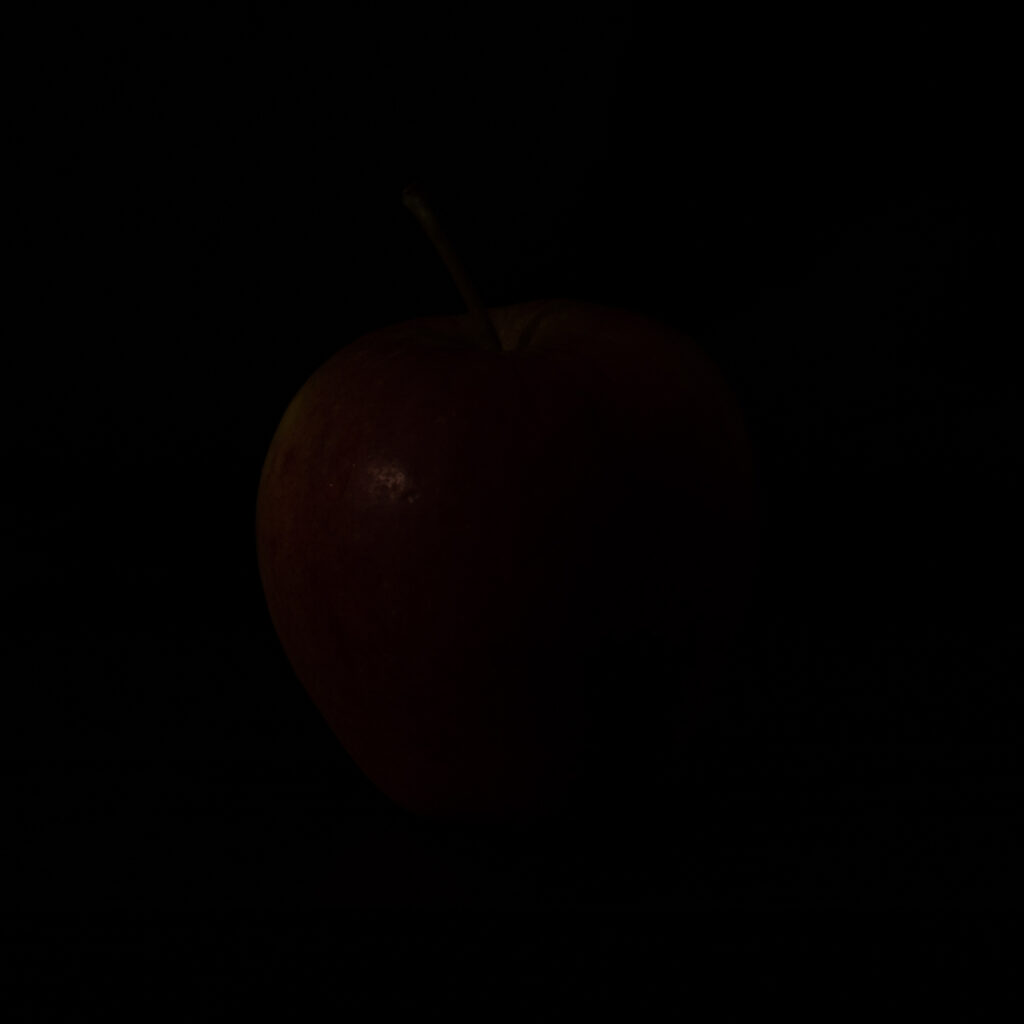
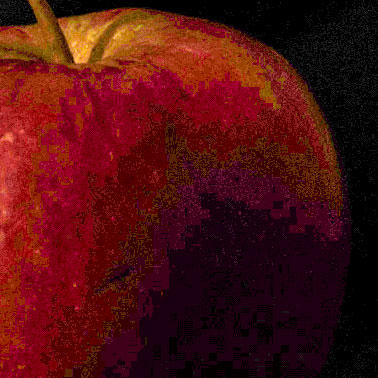
This is an image of an apple deliberately shot in a dark room
ISO64 50mm F/6.3 1/5s

RAW RAW
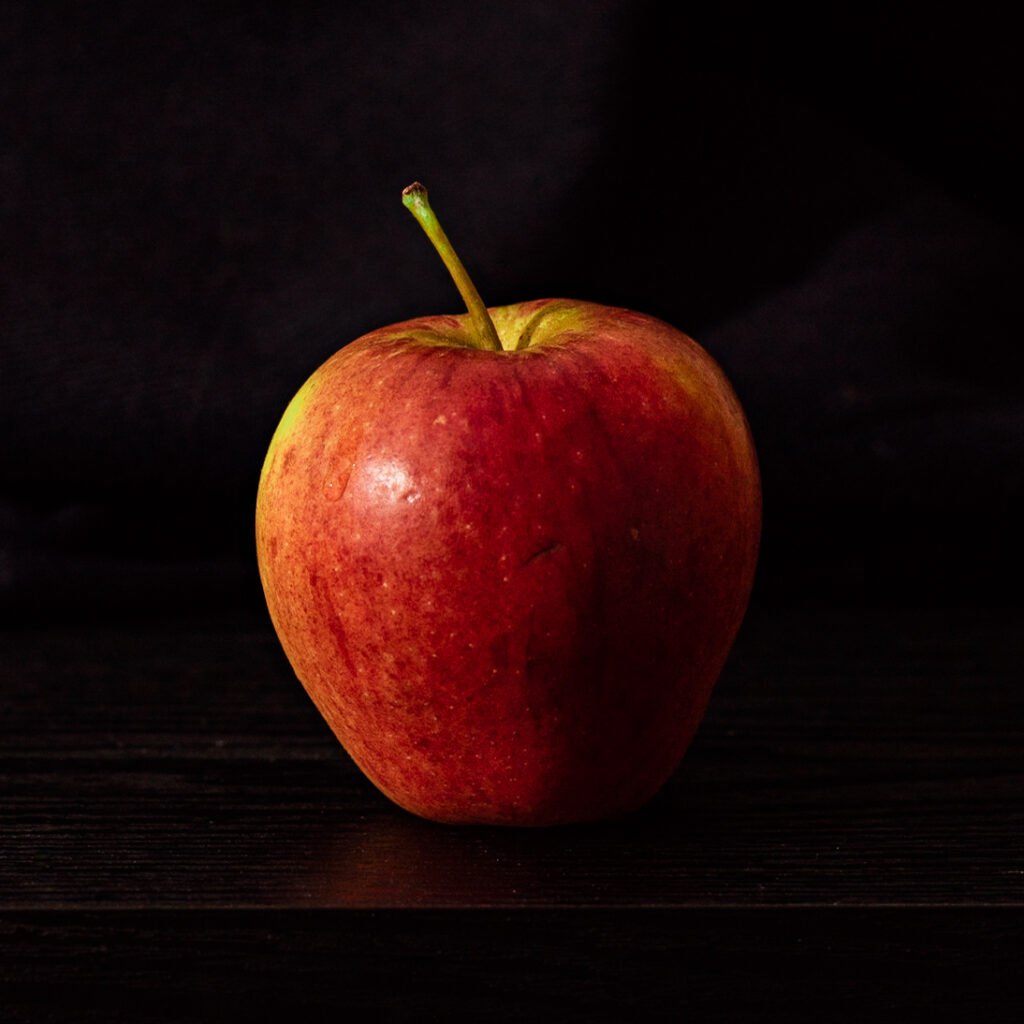
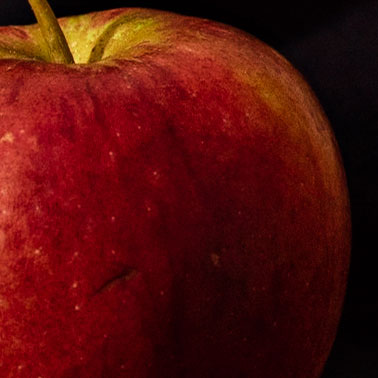
JPEG JPEG

What should the images be of?
Images should convey a company that is professional, customer-friendly, trustworthy and provides a very high-quality service or product.
Need More Photo Advice?
Contact us today to see if we can help.